Learn About the Goff 2026 Tournament

HERE

Why Motorcycle Accidents Are Unique

Riding a motorcycle offers a sense of freedom like no other, but it also comes with unique risks. Unlike cars, motorcycles provide little physical protection, leaving riders exposed to the elements and vulnerable to serious injuries in the event of an accident. Many crashes occur simply because drivers fail to see motorcycles or don’t provide enough space on the road. Left-turn accidents are especially dangerous, where drivers often misjudge a motorcyclist’s speed and turn directly into their path.

In our experience handling motorcycle accident cases, we’ve seen drivers fail to recognize the presence of motorcycles, putting riders in deadly situations. Road hazards such as potholes, gravel, and uneven pavement pose far greater risks for motorcycles than larger vehicles—what might be a minor bump for a car could be a life-threatening obstacle for a rider.

Speeding drivers make these situations even more dangerous, increasing the force of the crash. And drunk drivers, a reckless and dangerous choice for anyone on the road, pose an even greater threat to motorcyclists who have less protection.

Connecticut Motorcycle Laws

Connecticut motorcycle laws establish specific requirements for licensing, helmets, insurance, registration, and operating a motorcycle on public roads. Riders should understand these requirements before getting on the road, particularly because some rules vary based on age and licensing status.

Key Connecticut motorcycle laws include:

  • Motorcycle endorsement: Riders generally must have a valid driver's license with an “M” motorcycle endorsement to operate a motorcycle on Connecticut public highways. A motorcycle learner's permit may be used while completing the endorsement process.
  • Helmet requirements: As of October 1, 2025, Connecticut requires motorcycle riders under 21 to wear protective headgear. Riders with a motorcycle instruction permit must also wear a helmet while operating a motorcycle.
  • Passenger restrictions: Riders age 18 and older cannot carry a passenger during the first 90 days after receiving a motorcycle endorsement. Riders who are 16 or 17 cannot carry passengers for six months after receiving their endorsement.
  • Motorcycle registration: Motorcycles must be registered with the Connecticut DMV, and proof of insurance is required for registration.
  • Insurance: Connecticut requires continuous insurance coverage for registered vehicles, including motorcycles.
  • Rules of the road: Motorcyclists must follow Connecticut's traffic laws just like other drivers. Motorcycles are entitled to use a full traffic lane, and two motorcycles may share a lane, but other vehicles should not pass a motorcycle within the same lane.

What Causes Most Motorcycle Accidents?

Motorcycle accidents can happen for many reasons, but certain factors are more common than others. Identifying what caused a crash can help clarify how it happened and who may be responsible.

Common causes of motorcycle accidents include:

  • Distracted driving
  • Drivers failing to see motorcycles
  • Unsafe lane changes
  • Speeding
  • Driving under the influence
  • Following motorcycles too closely
  • Failure to yield
  • Reckless driving
  • Poor road conditions
  • Defective motorcycle parts
person on motorcycle with colorful powder behind them

What Are Common Injuries in Motorcycle Accidents?

Motorcycle accidents often leave riders facing catastrophic injuries that require long recovery times and sometimes lead to permanent disabilities. Some of the most common injuries we see include:

  • Road rash: Sliding across pavement can cause severe skin abrasions, leading to infections and permanent scarring.
  • Broken bones: The impact of a crash frequently results in broken bones, making daily tasks difficult and recovery long.
  • Head injuries: Even with a helmet, motorcyclists can suffer from concussions or more serious traumatic brain injuries.
  • Spinal cord injuries: Damage to the spinal cord can lead to paralysis or permanent disability, forever altering a rider's life.
  • Internal injuries: These can be especially dangerous because they aren’t always immediately visible. Organ damage can become life-threatening if not treated promptly.

At Goff Law Group, we understand the physical, emotional, and financial toll these injuries can take. Our team will fight to ensure you receive compensation for your medical expenses, lost wages, and pain and suffering.

What Should I Do After a Motorcycle Accident in Bridgeport?

If you’ve been involved in a motorcycle accident, it’s important to take the right steps to protect your health and your legal rights. Here’s what to do immediately after the accident:

  1. Check for injuries: Make sure you and any passengers are safe. If anyone is hurt, call emergency services immediately.
  2. Seek medical attention: Even if your injuries seem minor, it’s important to see a doctor. Some injuries, such as internal damage, might not be immediately apparent but can worsen over time.
  3. Document the accident: Gather as much information as possible. Take photos of the accident scene, your injuries, and any damage to your motorcycle. Exchange contact information with the other driver and any witnesses.
  4. Contact a motorcycle accident lawyer: Before speaking with insurance companies, reach out to an experienced Bridgeport motorcycle accident attorney to protect your rights and ensure you get the compensation you deserve.

Following these steps can help you protect your health and build a strong case for compensation.

Real Client Testimonial

I had an excellent experience working with Goff Law. Zach Gain was professional, knowledgeable, and responsive throughout the entire process. He kept me informed every step of the way with clear and consistent communication, making what could have been a stressful experience much easier to navigate. I highly recommend Goff Law to anyone in need of outstanding legal representation.

J.S.

Texture Background

How Can a Motorcycle Accident Lawyer Help Me?

Motorcycle accident cases are often complex, involving multiple parties and insurance companies that may not have your best interests in mind. At Goff Law Group, we’ll guide you through the legal process so you never feel lost or overwhelmed. We’ll help you understand your rights and fight for maximum compensation for:

  • Medical bills
  • Lost wages
  • Pain and suffering

Insurance companies often try to pressure victims into accepting low settlements, but we won’t let that happen. We’re here to protect your interests like you’re part of our family, ensuring you’re treated fairly every step of the way. From the moment you call us, we take charge of your case. Our personal injury team in Bridgeport will:

  • Investigate the accident to determine fault
  • Gather evidence to build a strong claim
  • Interview witnesses and work with experts to strengthen your case

We handle all communication and negotiation with the insurance companies, ensuring you receive the compensation you need. And if they refuse to offer a fair settlement, we’ll take the fight to court and represent you in front of a judge and jury.

What Compensation Can I Receive After a Motorcycle Accident?

After a motorcycle accident, dealing with insurance companies while recovering from your injuries can be overwhelming. Goff Law Group can help you pursue the compensation you may be entitled to and handle negotiations with the insurance companies on your behalf.

Depending on your case, compensation may cover:

  • Medical expenses
  • Lost wages
  • Property damage
  • Pain and suffering
  • Emotional distress
  • Future losses

Who Can Be Held Liable for a Motorcycle Accident?

Determining who is responsible for a motorcycle accident can depend on how the crash occurred and who contributed to it. Depending on the circumstances, potentially liable parties may include:

  • Another driver who caused the crash
  • A driver’s employer if the driver was working at the time
  • A vehicle or motorcycle manufacturer if a defective part contributed to the accident
  • A property owner or government entity responsible for dangerous road conditions
  • A mechanic or repair shop if negligent work contributed to the crash

At Goff Law Group, our team can investigate the accident, identify potentially responsible parties, and help you pursue your claim against those who may be liable.

Schedule a Free Consultation

Contact
Contact us media

Why Choose Goff Law Group for Your Motorcycle Accident Case in Bridgeport, CT?

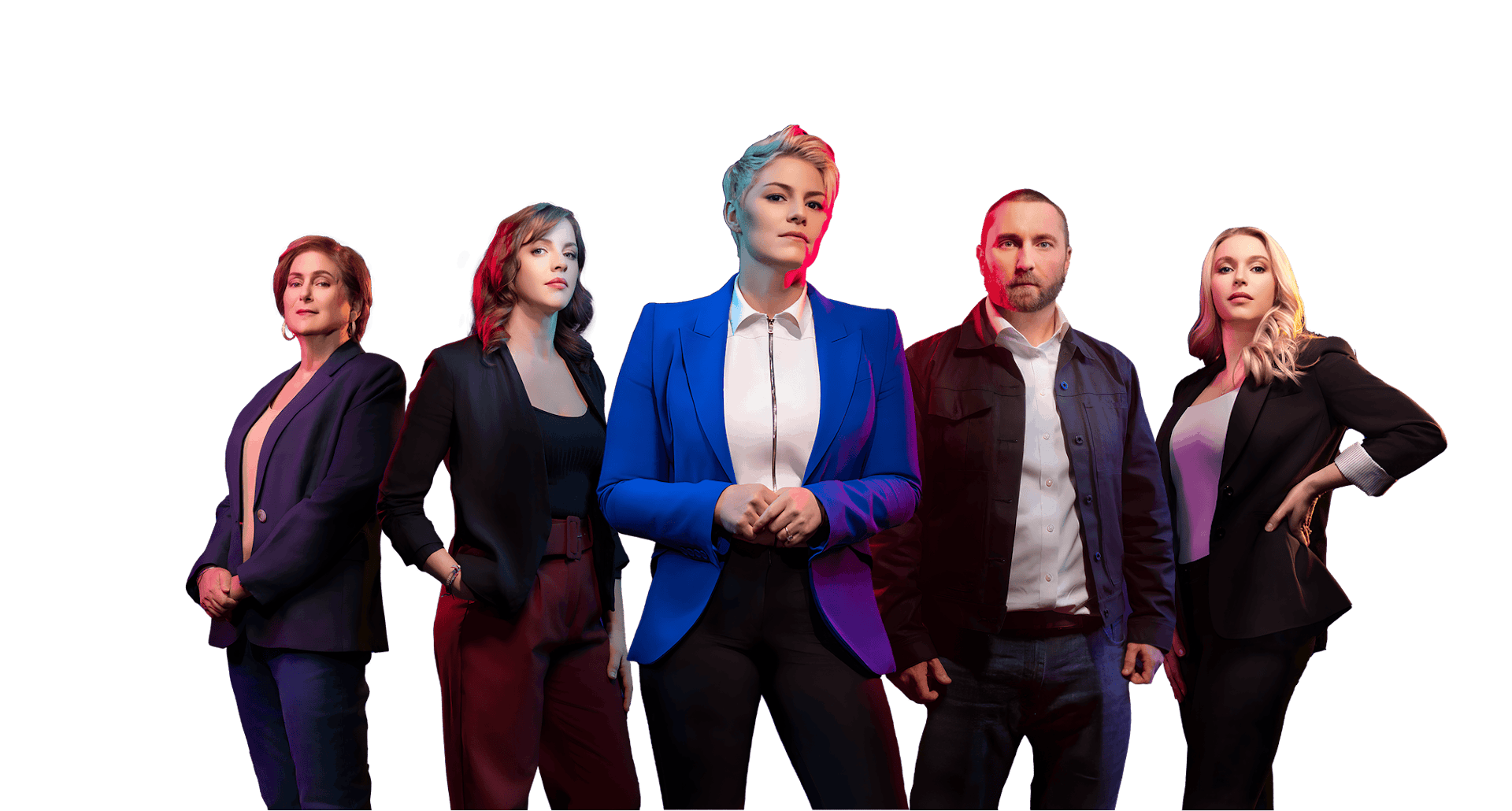
Motorcycle crashes can leave riders facing serious injuries, financial strain, and challenging insurance claims. At Goff Law Group, we provide motorcycle accident victims in Bridgeport with dedicated representation led by trial attorney Brooke A. Goff. Our expert team understands the challenges injured motorcyclists face, including unfair assumptions about riders, and works to build strong cases that hold negligent parties accountable. With a 99% success rate and six- and seven-figure results, we take an assertive approach to insurance companies while providing each client with compassionate, personalized attention.

Brooke is widely recognized for her dedication to injured clients and proven results, including:

  • Super Lawyers Rising Stars, eight consecutive years
  • Top 40 Under 40, Connecticut Magazine
  • Top 100 Trial Lawyer, National Trial Lawyers Association

If you were injured in a motorcycle accident, you don’t have to handle the insurance process alone. Contact Goff Law Group today to schedule a consultation with a motorcycle accident lawyer in Bridgeport and learn how we can help you move forward with your claim.

Attorney media

Motorcycle Accident FAQs

How long do I have to file a motorcycle accident claim in Bridgeport, CT?

In Connecticut, you generally have two years from the date of an injury to file a personal injury lawsuit based on negligence. Certain circumstances may affect this deadline, so it is important to understand the statute of limitations that applies to your case.

How do you prove negligence?

To prove negligence, you generally must establish that the other party owed you a duty of care, failed to act reasonably, and that the breach caused your accident and injuries. Evidence such as police reports, photographs, witness statements, medical records, and other documentation can help establish what happened. Our team can investigate the crash and gather evidence to support your claim.

What if the driver who hit me fled the scene?

If the driver who caused your motorcycle accident fled, you may still have options for pursuing your claim. Police reports, surveillance footage, witness accounts, vehicle debris, and other evidence may help identify the driver. If the driver cannot be found or does not have insurance, your own uninsured motorist coverage may also become important.

Can I receive compensation if I wasn’t wearing a helmet?

You may still be able to pursue a claim if you were not wearing a helmet, but the circumstances matter. Connecticut law requires motorcycle riders under 21 to wear protective headgear. Whether wearing a helmet affects your recovery depends on the facts of the accident and the injuries involved. Goff Law Group can review your case and explain how Connecticut law may apply.

What if the driver is not insured?

If the driver who caused your motorcycle accident does not have insurance, you may still have options. Connecticut requires insurance for registered vehicles, but uninsured drivers can still be involved in accidents. Depending on your policy, uninsured motorist coverage may help cover certain losses. Our attorneys can review your insurance coverage and explain what options may be available.

Can I still sue if the accident happened in bad weather?

Yes. Bad weather does not automatically prevent you from pursuing a motorcycle accident claim. Drivers are still expected to operate their vehicles reasonably under the conditions, and liability depends on the specific circumstances of the crash. Evidence such as weather and road conditions, witness statements, and accident reports can help determine the cause of the collision.

What if I can’t return to work because of my injuries?

If your motorcycle accident injuries prevent you from returning to work, you may be able to seek damages for lost wages and reduced earning capacity, depending on the circumstances of your claim. Medical records, employment records, pay stubs, and information about your ability to perform your job can help document these losses. We can help evaluate the impact your injuries have had on your ability to work and pursue the damages supported by your case.

Connecticut's Most Fierce Personal Injury Law Firm

Team media

Tell Us About Your Case Today!

Call

Call Goff Law Group on the phone at (203) 399-0000
This field is required.
Submit
Accessibility: If you are vision-impaired or have some other impairment covered by the Americans with Disabilities Act or a similar law, and you wish to discuss potential accommodations related to using this website, please contact our Accessibility Manager at (203) 399-0000.
Contact Us