If you’re hiring a car accident lawyer, you need to ask the questions that expose experience, strategy, access, and results—before you sign anything. Questions like how many car accident and catastrophic injury cases have you handled? Who will actually work on my case day to day, and how do I reach them? What damages can I recover in Connecticut, and how do you calculate them?
Goff Law Group is well-prepared to answer all of your questions. We’re here for you when the insurance company is already working against you, and you need a team that fights like family. Our female-powered trial team has a 99% success rate, millions recovered, and 24/7 direct attorney access. In this blog, we’ll clarify the questions you should ask a car accident lawyer before hiring them, and we’ll give you our honest answers so you know where we stand right away.
Quick “Hire/Don’t Hire” Checklist
Hire If…
- They handle car accidents and catastrophic injuries regularly, not sometimes
- They explain the investigation, negotiation, and litigation in plain language
- You know who your lawyer is, and how to reach them
- They use a contingency fee (meaning no win, no fee) and put it in writing
- They discuss specific damages, such as medical costs, lost income, pain and suffering, and future needs
- They bring up deadlines immediately, because missed deadlines can kill a case; Connecticut’s general personal injury limitations rule is commonly tied to Conn. Gen. Stat. § 52-584
Don’t Hire If…
- They can’t explain the process without hiding behind jargon
- They won’t commit to a communication plan
- They push a “quick settlement” before they’ve investigated
- They dodge questions about trial readiness
What Are The Stages Of A Car Accident Case?
Every strong car accident case moves through three core stages: investigation, negotiation, and litigation. From the very start, your lawyer should be able to explain each phase clearly, because each one builds leverage.
1. Investigation: Building the Foundation
This stage includes:
- Securing the police report and crash evidence
- Identifying and interviewing witnesses
- Preserving photos, video, and vehicle data when available
- Gathering complete medical records and billing
- Analyzing insurance coverage
- Documenting wage loss and future damages
The goal is to lock in liability and fully understand the scope of harm before talking numbers.
2. Negotiation: Forcing Fair Value
Once the evidence is organized and the medical picture is clear, a demand package is prepared and submitted to the insurance company.
This phase typically involves:
- Presenting documented economic and non-economic damages
- Responding to lowball offers
- Addressing disputes over fault or causation
- Evaluating policy limits and settlement ranges
Negotiation only works when it’s backed by preparation. Insurance companies pay attention when they know the case is trial-ready.
3. Litigation: Escalating When Necessary
If the insurer refuses to offer fair compensation, the case moves into litigation. This includes:
- Filing a formal lawsuit
- Written discovery and document exchange
- Depositions under oath
- Expert witness development
- Mediation or court-ordered settlement conferences
- Trial preparation—and trial, if required
Not every case goes to court, but every case should be prepared as if it might.
How Many Car Accident And Catastrophic Injury Cases Have You Handled Start To Finish?
A strong car accident lawyer should be able to tell you that:
- Personal injury law is a core part of their practice (not a side project)
- They’ve handled serious injury cases from investigation through resolution
- They have real results to show for their work, both in settlement negotiations and in court when necessary
You also want to know they’ve handled high-stakes catastrophic injury cases specifically involving:
- Traumatic brain injuries
- Spinal cord damage
- Surgery
- Permanent impairment
- Wrongful death
Personal injury law isn’t something Goff Law Group “also” does; it’s what we do, every single day. Our team has handled thousands of car accident cases, including complex and catastrophic injury claims across Connecticut, including:
- Commercial vehicle crashes
- Uninsured/underinsured motorist claims
- Wrongful death
We’ve also tried cases when insurers made no meaningful offer; sometimes the only way to get justice is to show you’re ready for a fight.
Who Will Actually Work On My Case Day-To-Day, And How Do I Reach Them?
You should leave the consultation knowing:
- The name of your primary attorney
- Whether a paralegal or case manager will assist
- How communication works (call, text, email)
- What the expected response time is
- How often you’ll get proactive updates
If you’re told to “just call the office,” that’s a red flag.
At Goff Law Group, you’re not handed off and forgotten. You’re assigned a dedicated attorney backed by a collaborative team that includes prelitigation professionals, litigation attorneys, and support staff who all know your file. And yes, you have direct access to your attorney. Legal emergencies don’t keep office hours, and neither do we.
What’s Your Plan For Investigating Fault And Proving Damages?
A strong car accident attorney should be able to walk you through a clear, proactive plan for proving two things: who was at fault and what your injuries are truly worth. Ask whether they secure the following in the first 30 days:
- Getting crash reports and witness statements
- Securing photos/video and surveillance
- Preserving vehicle data/event data recorders (when applicable)
- Reviewing medical records to connect injuries to the crash
- Identifying all liable parties (not just the driver)
- Calculating both current and future damages
If the answer is vague—or sounds like “we’ll send a demand and see what they offer”—that’s a gamble, not a strategy.
From the start, Goff Law Group works to document the full impact of your injuries, preparing the case with long-term consequences in mind, not just short-term costs.
How Do You Handle Insurance Companies, And When Do You File Suit?
Insurance carriers often:
- Request recorded statements early
- Downplay medical treatment
- Argue your injuries were preexisting
- Delay while hoping financial stress forces a cheap settlement
- Offer quick money before the full scope of injury is clear
Goff Law Group takes over all insurer communication immediately so we control the flow of information and present evidence strategically, not emotionally. That protects you from saying something that can be twisted later.
In terms of litigation, we typically move forward when:
- Liability is strong, but negotiations stall
- The carrier disputes causation without credible support
- The offer fails to reflect long-term damages
- The statute of limitations is approaching
- Discovery tools are needed to uncover internal documents or testimony
Insurance companies evaluate risk. When they know the firm on the other side is organized, trial-ready, and unwilling to accept less than fair value, the negotiation changes. That’s the difference between hoping for a settlement and positioning a case for one.
What’s The Fee, And What Do I Pay Upfront?
A reputable car accident lawyer should be able to explain their fee structure clearly. In most personal injury cases, attorneys work on a contingency fee basis, meaning they are paid only if the case is successful.
You should also ask:
- Is there any upfront retainer?
- Who advances case costs like medical records, expert reports, and depositions?
- How are those costs handled at the end of the case?
- What happens if there’s no recovery?
At Goff Law Group, there is no upfront cost to hire us. No retainer. No hourly billing. No paying out of pocket while you’re trying to heal. Our fee is based on the recovery we obtain for you, meaning there is no attorney's fee if there is no recovery.
We also advance the costs necessary to build your case properly, so your claim doesn’t depend on your financial situation after a crash. But rest assured, everything is discussed clearly before you sign anything.
What Deadlines Apply To My Case, And What Happens If We Miss Them?
In car accident cases, deadlines are strict. They are not flexible, and missing one can permanently destroy your right to recover compensation.
A strong attorney should clearly explain:
- The statute of limitations that applies to your case
- Whether any shorter notice requirements apply (especially if a government vehicle or roadway defect is involved)
- How the firm tracks and protects filing deadlines
- What happens if negotiations are ongoing close to the deadline
In Connecticut, most negligence-based personal injury claims are governed by Conn. Gen. Stat. § 52-584, which generally limits the time to file suit to two years from the date the injury is first sustained or discovered, subject to an overall statutory limit.
If the crash resulted in a fatality, wrongful death claims are governed by Conn. Gen. Stat. § 52-555, which requires filing within two years from the date of death, with an outer statutory cap.
Missing these deadlines can result in:
- Your case being dismissed by the court
- Losing all leverage with the insurance company
- Permanently forfeiting your right to compensation
Even strong cases can be barred if filed too late. At Goff Law Group, deadline protection is built into our process from day one. When we take your case, we:
- Confirm the exact statute that applies
- Calculate all filing deadlines immediately
- Calendar internal reminders well in advance
- Evaluate whether any municipal or governmental notice rules apply
- File suit if necessary to preserve your rights—even if negotiations are ongoing
However, filing too early—before the full medical picture is clear—can weaken leverage. Waiting too long can eliminate the claim entirely. Our job is to balance preparation with urgency, so your case is built correctly without ever risking expiration.
What Damages Can I Recover In Connecticut, And How Do You Calculate Them?
Under Connecticut negligence law, injured plaintiffs may recover both economic and non-economic damages (Conn. Gen. Stat. § 52-572h). A thorough lawyer should clearly break down damages to help you understand what you could potentially recover.
Economic damages, or financial losses, are measurable, document-based losses, such as:
- Past medical bills
- Future medical treatment and rehabilitation
- Lost wages
- Loss of earning capacity
- Out-of-pocket expenses (medications, medical devices, travel for treatment)
- Property damage (vehicle loss)
Non-economic damages reflect human impact and how the injury has changed your life. Examples include:
- Pain and suffering
- Emotional distress
- Permanent impairment or disability
- Loss of enjoyment of life
- Loss of normal activities
- Disfigurement or scarring
In catastrophic injury cases—such as traumatic brain injuries, spinal cord damage, or permanent orthopedic injuries—the non-economic component can be substantial because the long-term impact is substantial.
Goff Law Group takes a structured, documented, and strategic approach to building damages. We accomplish this by:
- Collecting and organizing complete medical records
- Working with treating physicians to understand the prognosis
- Reviewing wage documentation and employment history
- Evaluating long-term earning impact
- Analyzing permanency ratings when applicable
- Accounting for future care needs in serious injury cases
Our role is to present a complete damages model that ties medical evidence, financial documentation, and lived impact together in a way that holds up—whether at the negotiation table or in front of a jury.
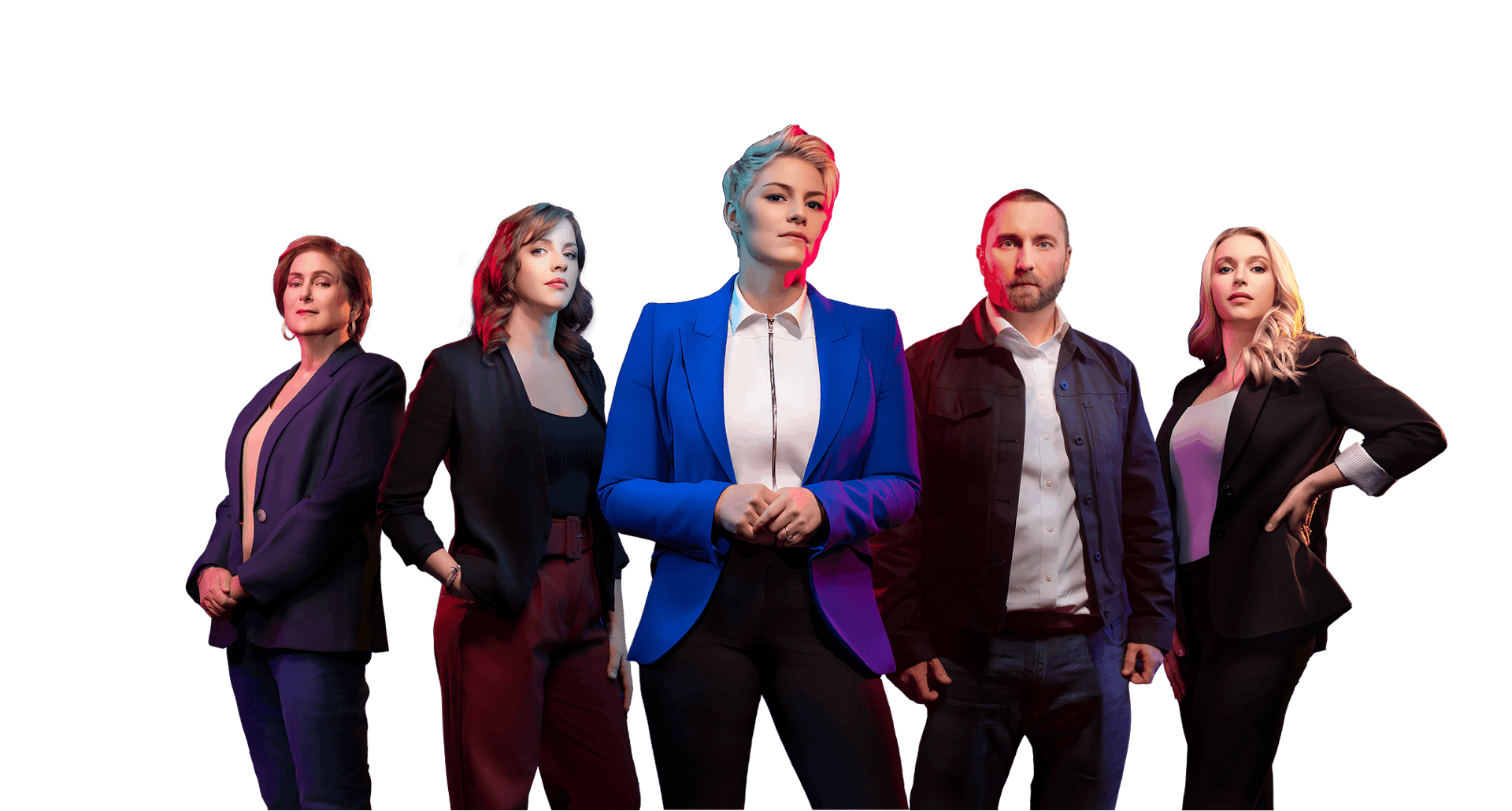
Meet the Team You’re Partnering With
Founding Attorney: Brooke A. Goff
Fearless, modern, client-first. Brooke built this firm to fight for injured people like family. High-touch advocacy, real access, real results.
Call/Text: (203) 894-6631
Partner: Danielle A. Wisniowski
Competitive, efficient, justice-driven. Danielle has deep Connecticut roots and a relentless approach to getting clients what they deserve.
Call/Text: (203) 894-6631 | Email: danielle@gofflawgroup.net
Litigation Leadership: Stan Maslona, Director of Litigation
Focused on leveling the playing field against insurance companies that try to take advantage of victims.
Call/Text: (203) 894-6631 | Email: stan.maslona@gofflawgroup.net
Senior Trial Strength: Pam Cameron, Senior Attorney
Extensive jury trial experience and major verdict history, including a $2.2M jury verdict when the insurer made no offer pre-trial.
Call/Text: (203) 894-6631 | Email: pam@gofflawgroup.net
Client-Care Power: Erin Heltke, Director of Prelitigation
Compassionate, detail-driven, relationship-focused. Erin’s clients feel heard and supported while cases are built the right way.
Call/Text: (203) 894-6631 | Email: erin@gofflawgroup.net
Where We Hit Hardest
Car accident cases
- Rear-end and intersection crashes
- Distracted and drunk driving
- Hit-and-runs
- Uninsured/underinsured motorist claims
- Serious injury crashes involving long-term treatment
Catastrophic injuries (high-stakes cases)
- Traumatic brain injury (TBI)
- Spinal cord injury/paralysis
- Surgical injuries (back/neck/orthopedic)
- Permanent impairment and disability
- Wrongful death claims (with strict statutory timing rules)
Asking The Right Questions Can Protect You From Trusting The Wrong Lawyer
The questions you ask before hiring a car accident attorney can determine whether your case is protected or quietly undervalued. Don’t settle for surface-level answers; from the start, press for specifics about experience, communication, strategy, fees, and deadlines.
Goff Law Group believes trust is earned through clarity, so we’ll walk you through what your case requires, which legal deadlines apply, how damages are evaluated, and how we position your claim to demand full value from the insurance company.
If you were injured in a Connecticut crash, don’t let the insurer shape the narrative or the outcome. Call or text Goff Law Group at (203) 894-6631 to schedule your consultation today.